
The right tag.
For every application.
Whether on-metal tags, rugged industrial transponders, or compact NFC labels: discover the right RFID solution for your application.
RFID & NFC tags. For every requirement.
Eight categories, three areas of application – find the right solution for your requirements.
RFID Labels
RFID labels for sticking and labeling.
Rugged RFID Tags
Rugged tags for demanding environments.
Compact RFID Tags
Small RFID tags for space-saving integration.
Special RFID Tags
Special RFID tags for specific applications.
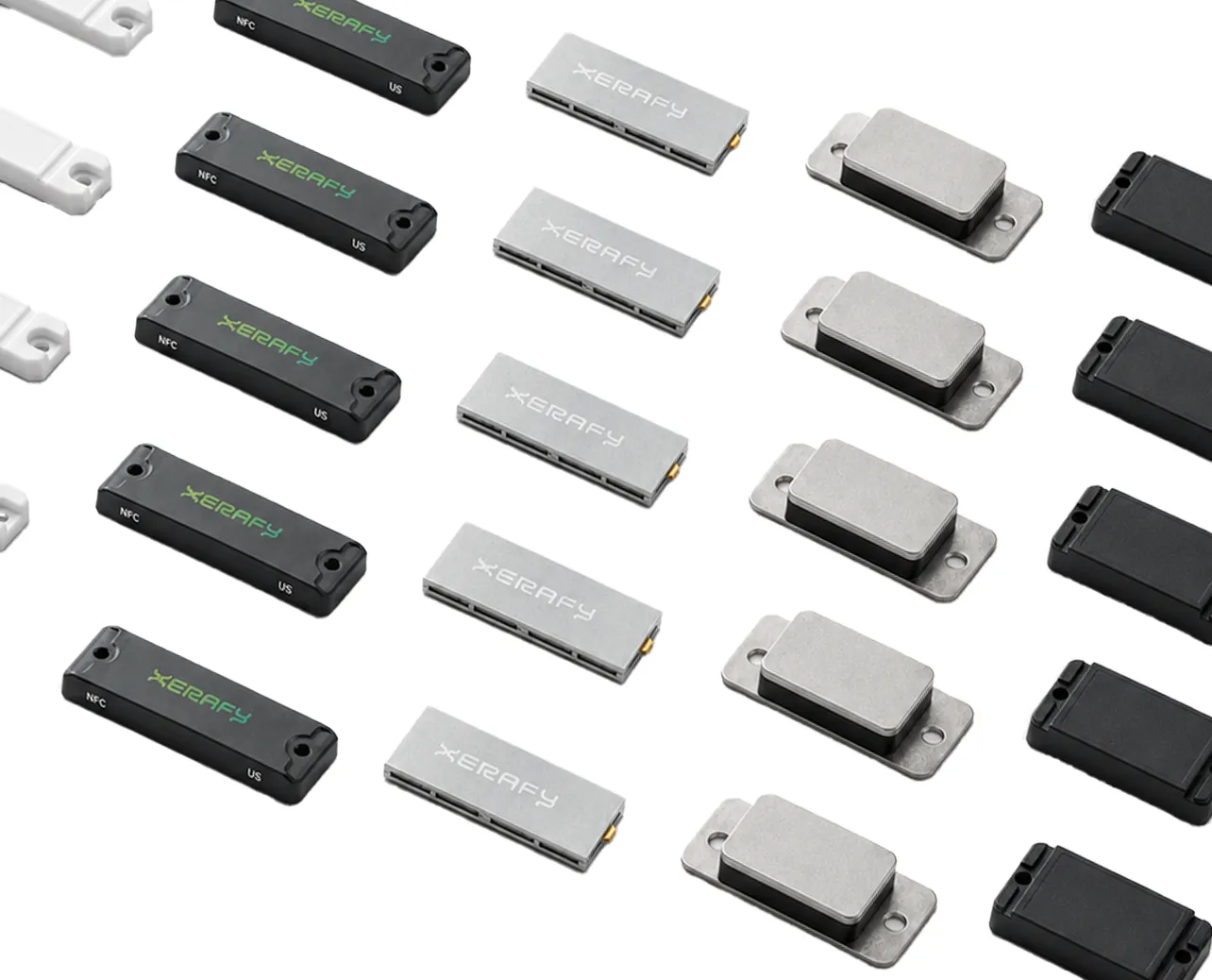
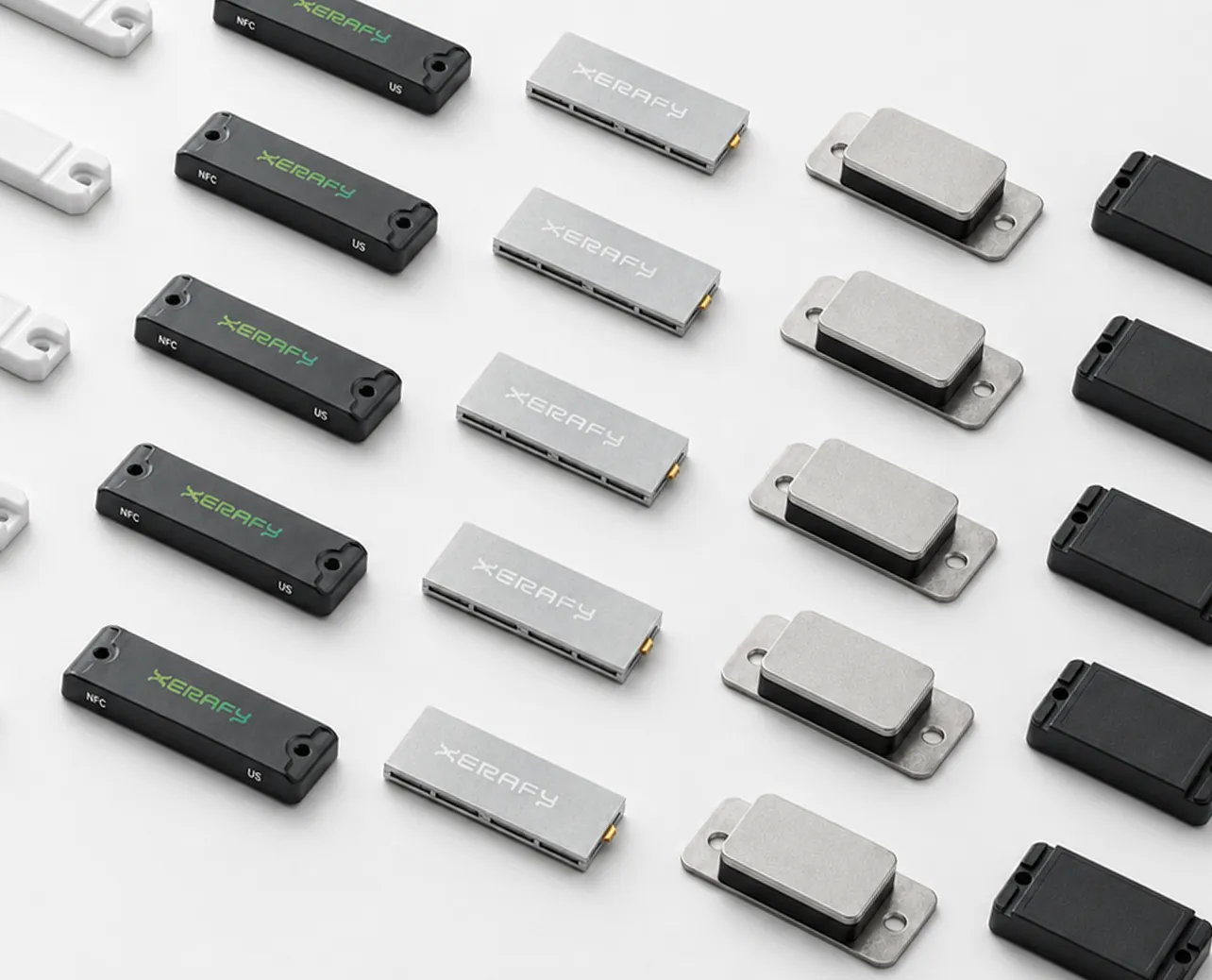
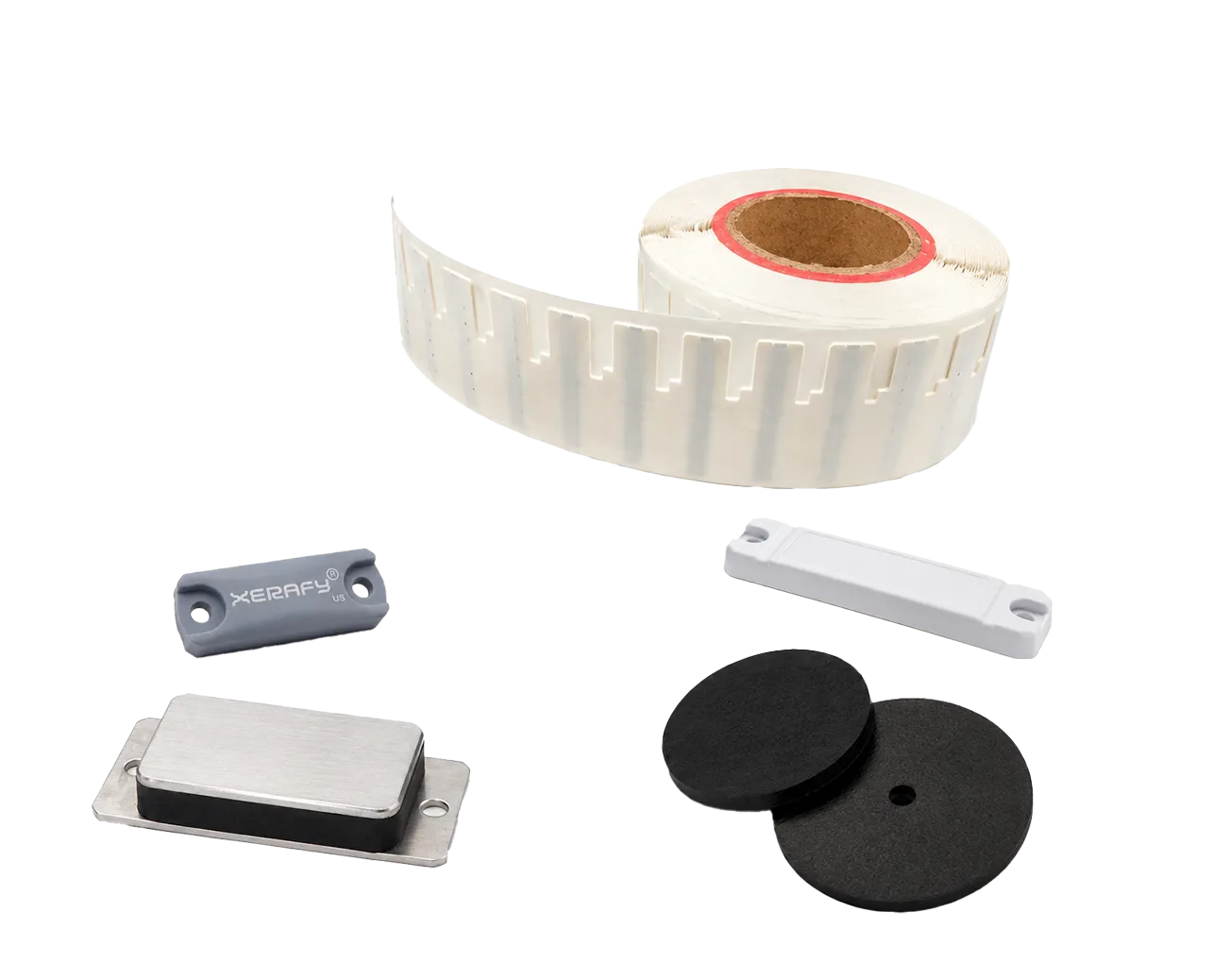



Your reliable partner for RFID & NFC solutions.
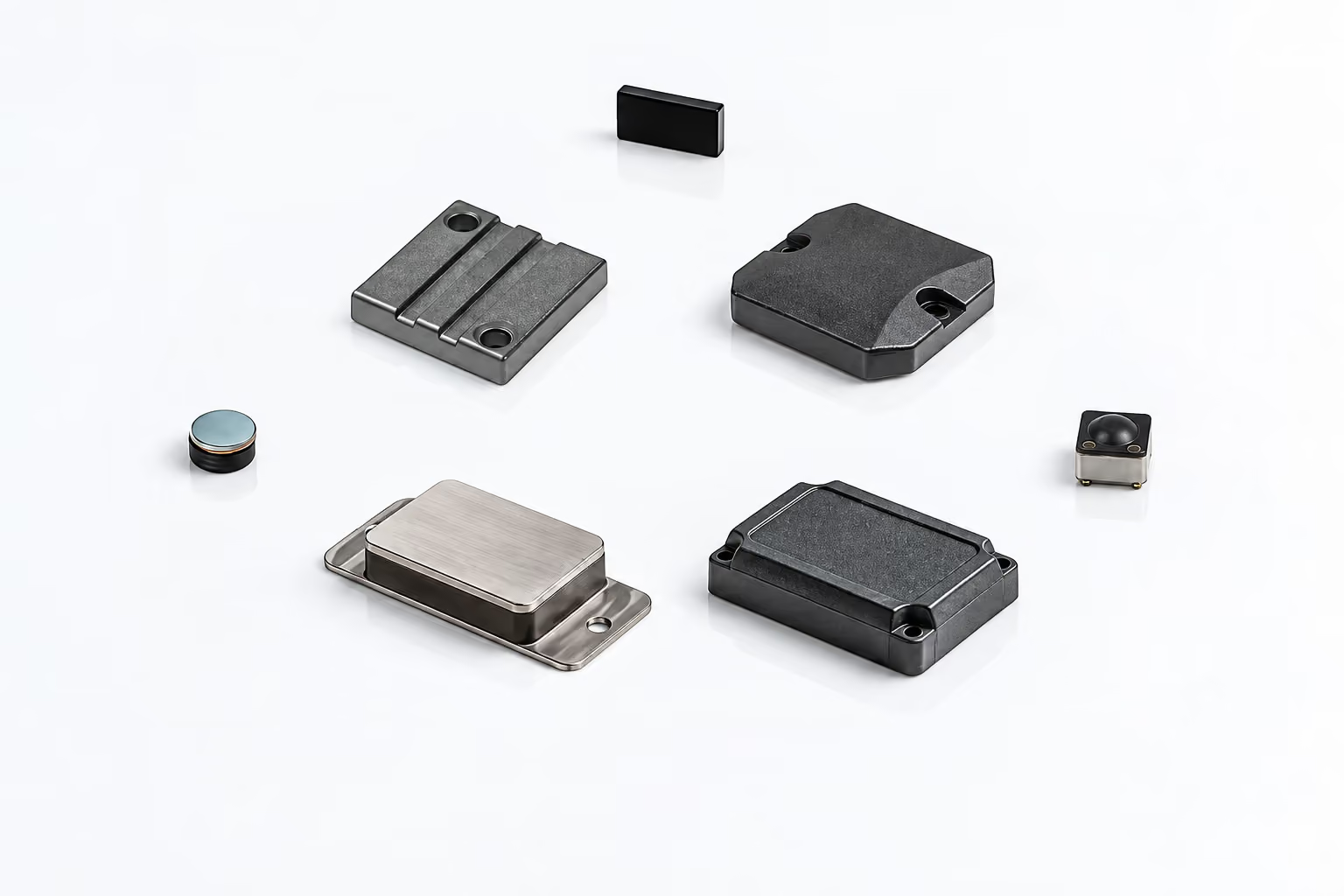
RFID-Tags. Vorteile im Überblick.
Entdecken Sie fünf RFID-Produktfamilien und ihre spezifischen Vorteile für industrielle Anwendungen.

Robuste RFID-Tags für das industrielle Asset Tracking
Widerstandsfähige UHF-Transponder zur Kennzeichnung von Werkzeugen, Maschinen und Betriebsmitteln.
Robuste Bauform
Für die dauerhafte Identifikation in anspruchsvollen Industrieumgebungen.
Eindeutige Objekt-ID
Unterstützt die zuverlässige Zuordnung von Werkzeugen und Betriebsmitteln.
Verschiedene Montagearten
Je nach Ausführung für Schrauben, Kleben oder Einlassen geeignet.
Automatisierte Inventur
Ermöglicht digitale Bestandsführung und nachvollziehbare Objektbewegungen.
Ultra-robuste RFID-Tags für extreme Bedingungen
Für besonders beanspruchte Industrieobjekte, bei denen mechanische Belastungen und Umwelteinflüsse berücksichtigt werden müssen.
Hohe Widerstandsfähigkeit
Robuste Gehäusekonzepte für Stoß-, Schmutz- und Feuchtebelastung.
Industriegeeignete Bauformen
Passende Varianten für Metallteile, Behälter und Maschinenkomponenten.
Temperaturbeständige Varianten
Ausgewählte Modelle für Anwendungen mit erhöhter Temperaturbelastung.
Langfristige Identifikation
Dauerhafte UHF-Kennzeichnung wertvoller Anlagen und Betriebsmittel.
Hochbelastbare RFID-Tags für Metall und Industrie
Die robusten Xerafy-Baureihen MICRO, PICO und ROSWELL sind für anspruchsvolle industrielle Kennzeichnungsaufgaben ausgelegt.
RFID auf Metall
Spezialisierte Bauformen für metallische Oberflächen und Werkzeuge.
Extreme Einsatzbedingungen
Ausgewählte Modelle für Hitze, Chemikalien und mechanische Belastungen.
Kompakte Bauformen
PICO und weitere Varianten für kleine oder begrenzte Montageflächen.
Sichere Befestigung
Industrietaugliche Montageoptionen je nach Tag-Modell und Einsatzort.
RFID-Tags für Außenbereiche und große Lesedistanzen
Xerafy OUTDOOR-Tags unterstützen die Identifikation von Containern, Transportmitteln und Betriebsmitteln unter wechselnden Witterungsbedingungen.
Für den Außeneinsatz
Witterungsbeständige Gehäuse für industrielle Anwendungen.
Große Lesereichweiten
Modellabhängig für die Identifikation über größere Distanzen optimiert.
Vielfältige Oberflächen
Varianten für unterschiedliche Materialien und Montagepositionen.
Logistik und Yard Management
Unterstützt die Erfassung von Containern und wiederverwendbaren Ladungsträgern.
RFID-Tags für Inventur und Bestandsmanagement
Die Xerafy TRAK-Serie ist auf wirtschaftliche UHF-Erfassung von Assets in Lager, Fertigung und IT-Infrastruktur ausgelegt.
Effiziente Bestandsführung
Automatisierte Identifikation von Inventar und Materialflüssen.
Vielseitige Untergründe
RFID-Varianten für Metall, Kunststoff und weitere Oberflächen.
Flexible Montage
Je nach Modell beispielsweise Kleben, Befestigen oder Einlassen.
Wirtschaftlich skalierbar
Geeignet für größere RFID-Inventur- und Tracking-Projekte.
Get your personalized quote now
Frequently Asked Questions
Our RFID readers can be integrated flexibly and easily into existing systems, applications, and RFID projects. Depending on the model, various wired and wireless interfaces are available:
USB: Fast plug-and-play connection to PCs, terminals, or industrial computers
Ethernet: Reliable network integration into IT systems and industrial applications
RS232 and RS485: Direct communication with machine controllers, PLC systems, and automation solutions
CAN bus: Integration into vehicles, machines, and industrial control systems
Modbus: Standardized communication with PLC systems and industrial automation solutions via Modbus RTU or Modbus TCP
CANopen: Seamless integration of the RFID reader into CAN-based machine and automation networks
SAE J1939: Reliable communication with commercial vehicles, agricultural machinery and mobile machines via CAN bus
In addition, many RFID readers support standardized protocols, software development kits, and programming interfaces. This allows captured RFID data to be transmitted directly to software, databases, machine controllers, or cloud platforms for processing.
RFID stands for Radio Frequency Identification and refers to the contactless exchange of data between an RFID transponder and an RFID reader/writer. The RFID transponder can be integrated into a card, a key fob, a label, or a rugged industrial tag, for example.To transmit data, the RFID reader generates an electromagnetic field via an integrated or external RFID antenna. This field activates passive RFID transponders and provides them with the necessary energy. The RFID reader then sends a read command to the transponder, which transmits the data stored on its chip back to the reader.
The RFID reader processes the received information and forwards it to a controller, software, or database via interfaces such as Ethernet, RS232, RS485, USB, CAN-Bus, CANopen, SAE J1939 or Modbus. Since communication takes place via electromagnetic fields, no direct line of sight is required between the RFID reader and the RFID transponder. The transponders can also be detected through many non-conductive materials such as plastic, paper, cardboard, wood, or textiles.
Our wide range of RFID readers can be used in a variety of industries for contactless identification, automated data collection, and process control. Depending on the frequency, read range, design, and interface, RFID readers are suitable for the following application areas, among others:
Industry and production: Identification of workpieces, tools, machines, and load carriers
Logistics and intralogistics: Goods tracking, inventory control, incoming goods, and shipping
Parking and vehicle identification: Automatic vehicle recognition, access control, and barrier control
Laundries and textile management: Assignment, tracking, and management of textiles and laundry stocks
Waste management: Identification of waste containers as well as documentation of emptying and disposal processes
Healthcare and laboratory: Tracking of samples, medical devices, instruments, and consumables
Public sector: Access control, asset management, document management, and identification of equipment
By selecting the appropriate RFID readers and transponders, existing processes can be efficiently digitized, automated, and transparently documented.
An RFID reader, also known as an RFID scanner or RFID read/write device , is a device used for contactless communication with RFID transponders. Using an integrated or external antenna, the reader generates an electromagnetic field to transmit data over short or long distances.
Passive RFID transponders do not have their own power supply. They are activated and powered by the electromagnetic field of the RFID reader. The reader can then read the information stored on the transponder or, depending on the RFID chip used, write new data to it.
The operating principle is similar to contactless payment: a card is held up to a reader, and the stored data is transmitted wirelessly.
Choosing the right RFID reader depends on the desired RFID technology, the required read range, and the specific area of application. For short distances and NFC applications, HF or NFC card readersare often suitable. For longer ranges and the simultaneous detection of multiple transponders, UHF RFID readers are generally used. Other important criteria include the design, the number and type of antenna connections, the detection speed, and the available interfaces. Depending on the system integration, Ethernet, RS232, RS485, USB, CAN-Bus, CANopen, SAE J1939 or Modbus may be required. The operating environment is also crucial. For industry, logistics, or outdoor areas, robust devices with an appropriate protection rating and a durable housing should be selected. In addition, the RFID reader, antenna, and RFID transponder must be matched to one another to ensure reliable identification.
We are happy to help you choose the right RFID reader for your application. Simply contact us and let us know your requirements. Our RFID experts will advise you on the selection of the appropriate technology, range, interfaces, and device design.
Contact Us
We would be happy to advise you in person on choosing the right solution.
Your contact person:

Personal consultation for your RFID solution
Benjamin Pfeiffer - Sales RFID

Personalized consulting for your access control systems
Andreas Jäger - Sales Access Control

Personalized consulting for your IoT project
Luca Mack - IoT Sales

Personalized consulting for your studio project
Marcel Lenz - Sales WellFit

.png)
