
Products
Smart Access
- RFID
- RFID Cards
- RFID Wristbands
- RFID Key Fobs
- Access Readers & Terminals
- Full-Height Turnstiles
- Tripod Turnstiles
- Security Interlocks
- Swing Gates
- Full-Height Turnstiles
- Electronic Locking Systems
- Locker Locks
Professional RFID
- RFID
- RFID Readers / Antennas
- RFID Embedded
- Mobile Data Collection
- RFID PDAs
- RFID Tablets
- RFID Scanners
Wireless IoT
- Outdoor Solutions
- Asset Tracker
- Temperature Tracker
- Animal Tracker
- Vehicle Tracker
- Indoor Solutions
- Indoor Tracker
- People Tracker
- Software Solutions
- IoT Platform
Applications
Smart Access
Professional RFID
Wireless IoT
Company
About Us
RFID Reader
RFID readers for reliable identification and automated data collection in industrial, logistics, access control, and IoT applications. Our product range includes read/write devices for UHF, HF/NFC, LEGIC, and LF. Depending on the application, various read ranges, interfaces, and form factors are available for easy integration into existing systems.

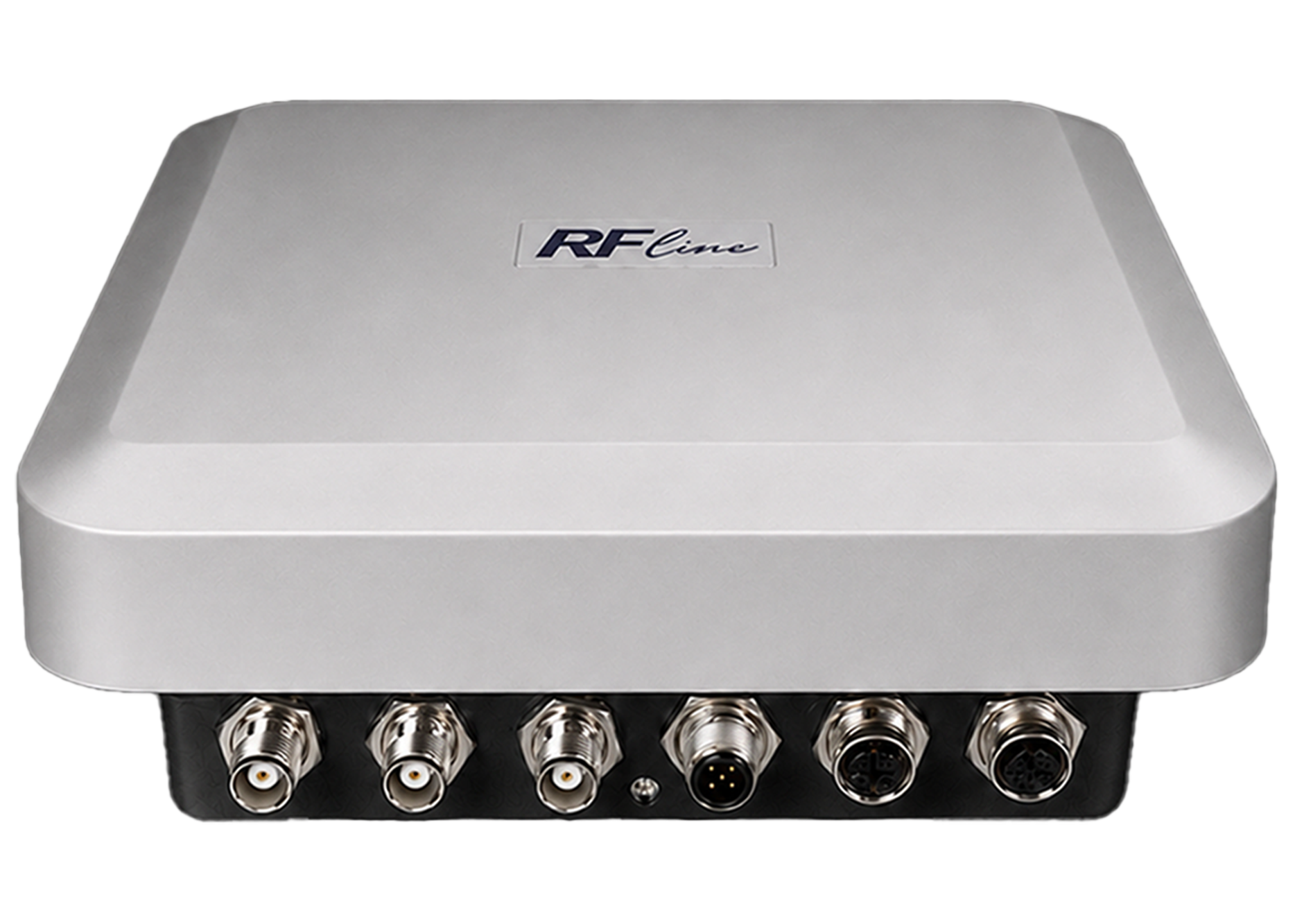

ISO 18000-63 / EPC Gen 2 V2
RS232/485, TCP/IP, CANbus (SAE J1939)
Integrated antenna and 3 antenna ports
ISO 18000-63 / EPC Gen 2 V2
External
Internal
RFline
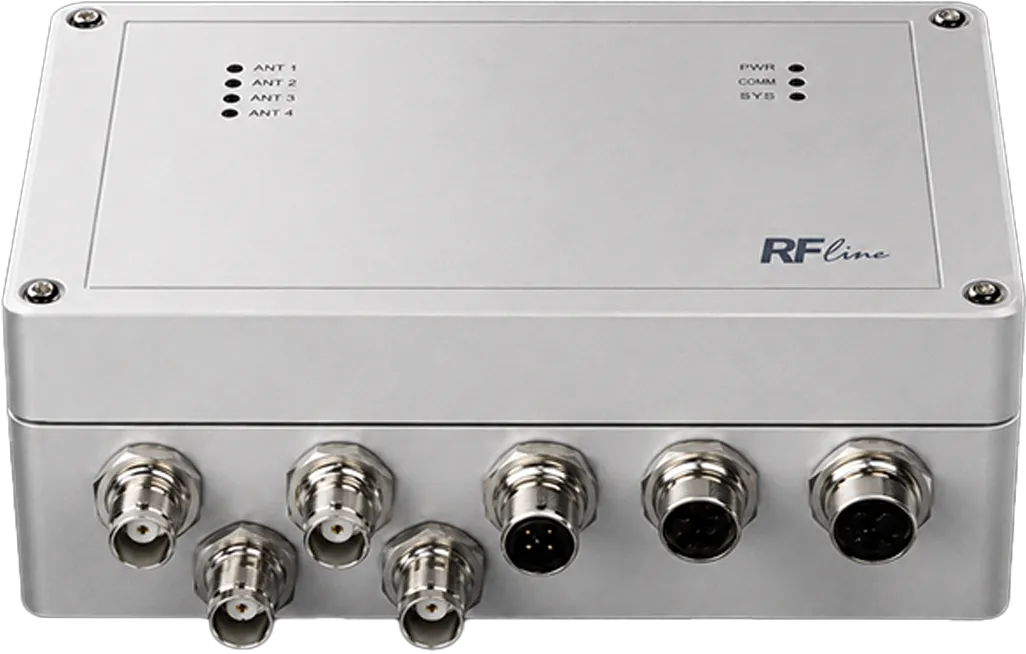
ISO 18000-63 / EPC Gen 2 V2
RS232/485, TCP/IP, CANbus (SAE J1939)
4 antenna ports
ISO 18000-63 / EPC Gen 2 V2
External
RFline
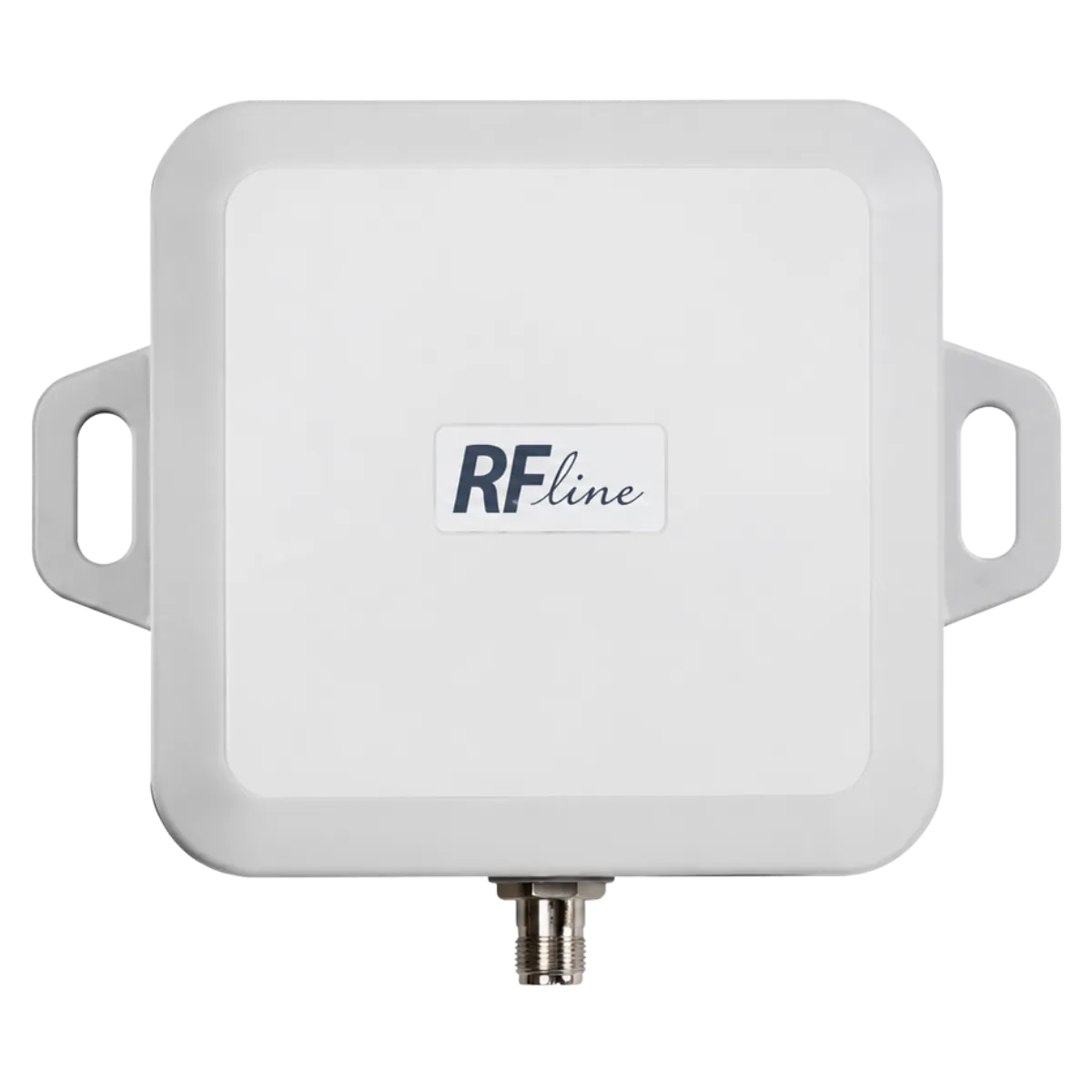
ISO 18000-63 / EPC Gen 2 V2
RS232/485, TCP/IP, CANbus (SAE J1939)
Integrated antenna
ISO 18000-63 / EPC Gen 2 V2
Internal
RFline
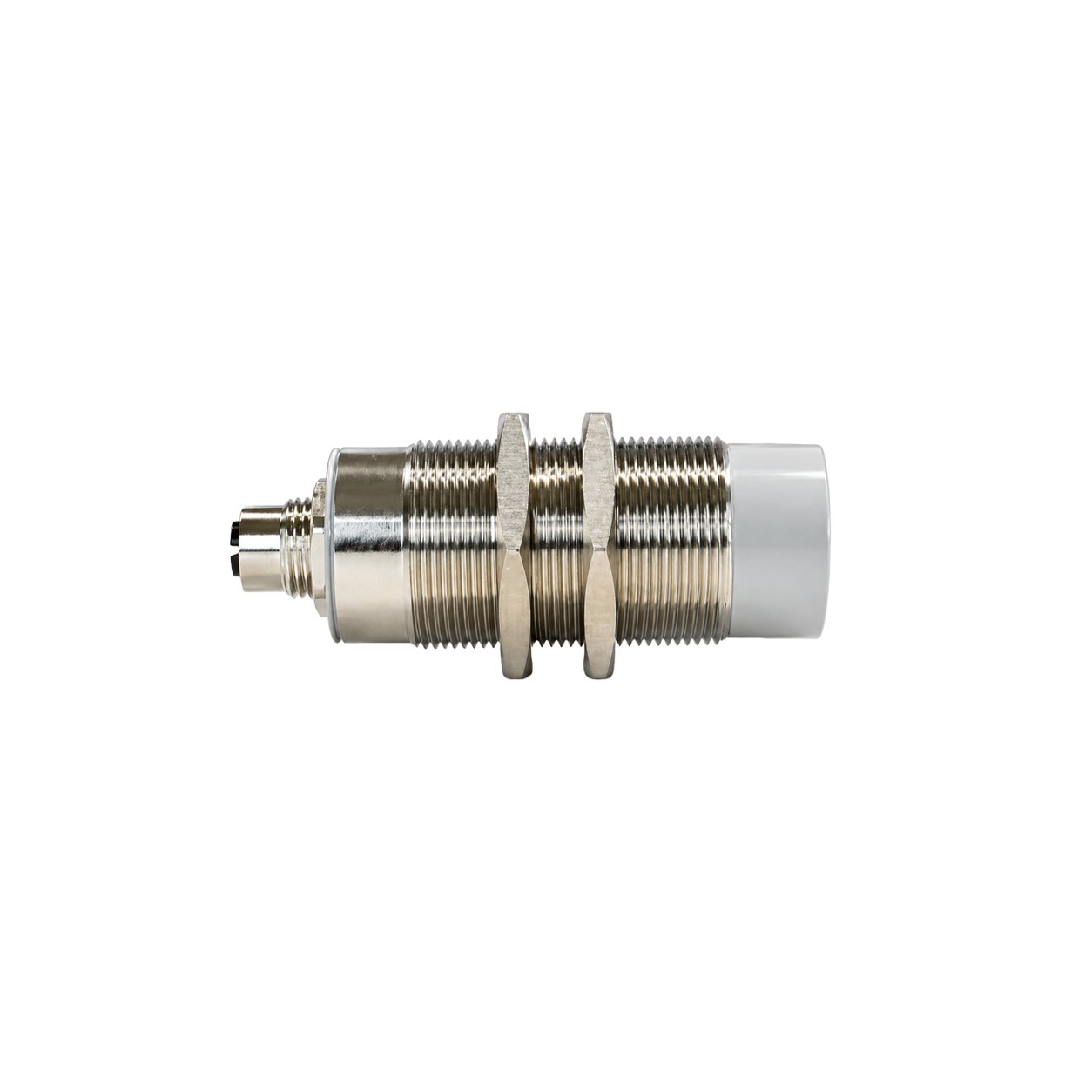
ISO 18000-63 / EPC Gen 2 V2
RS232/485, TCP/IP, CANbus (SAE J1939)
M30 antenna form
ISO 18000-63 / EPC Gen 2 V2
Internal
RFline
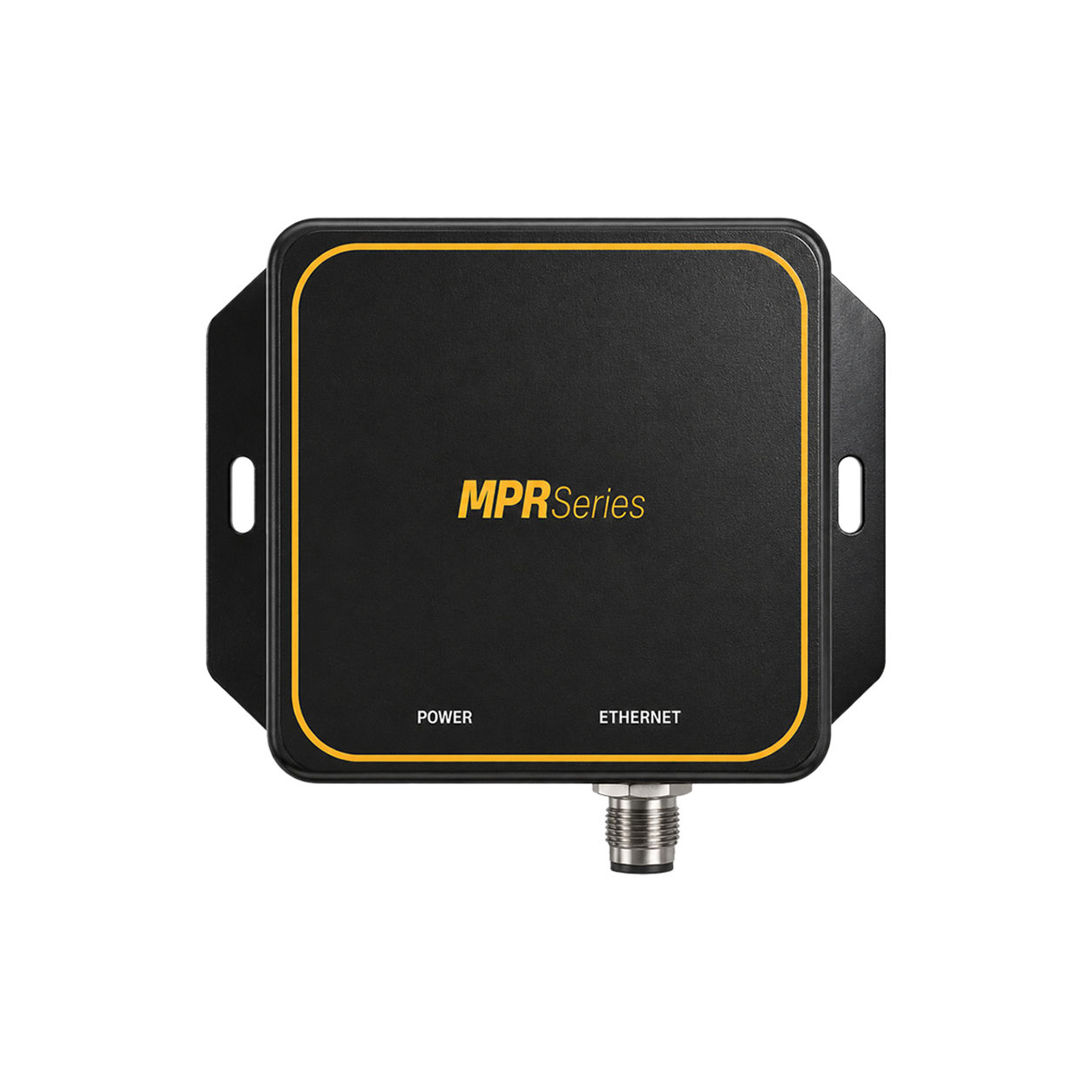
ISO 18000-63 / EPC Gen 2 V2
RS232/485, PoE, USB, CANopen, Modbus
Integrated antenna
ISO 18000-63 / EPC Gen 2 V2
Internal
MPR Series
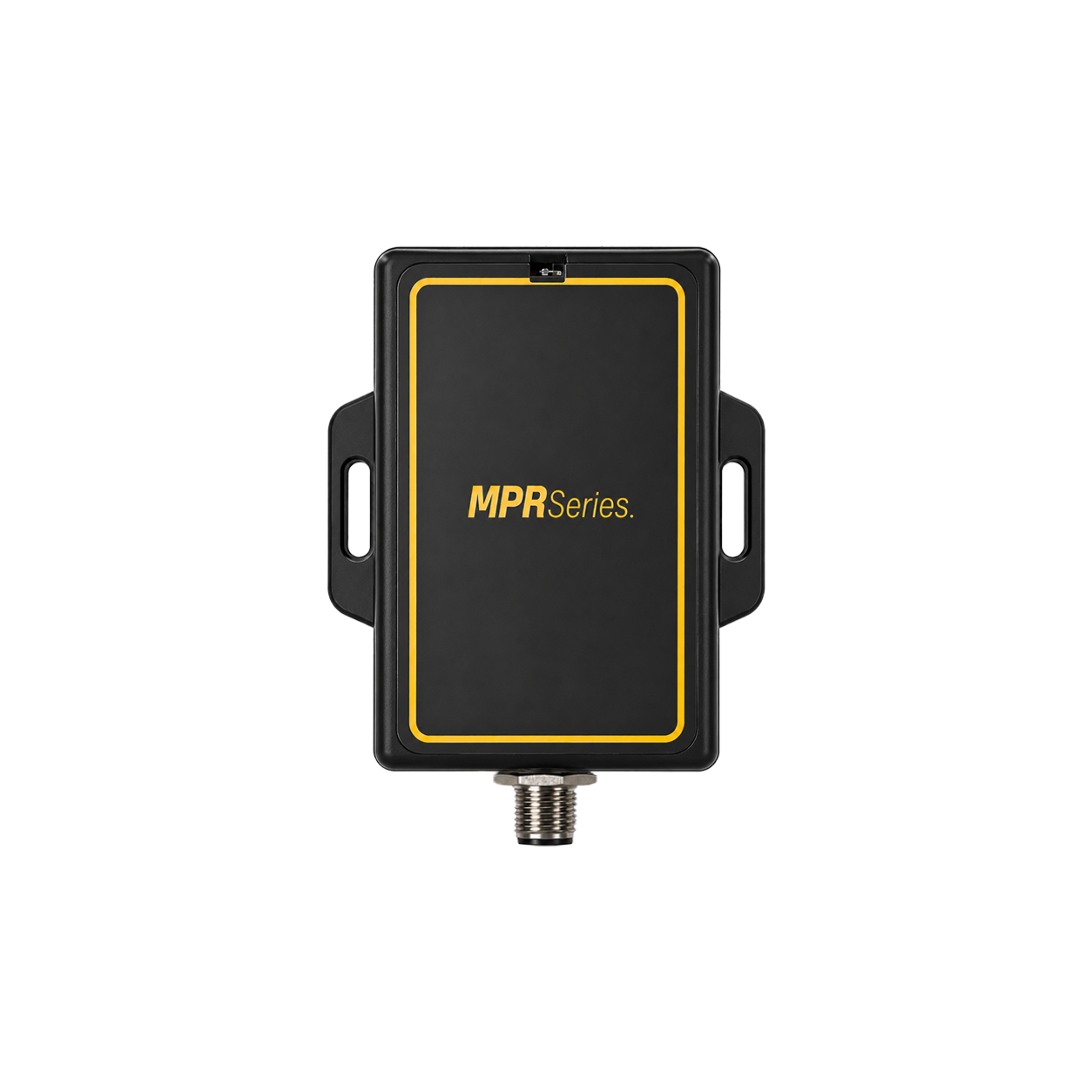
ISO 18000-63 / EPC Gen 2 V2
RS232/485, PoE, USB, CANopen, Modbus
Integrated antenna
ISO 18000-63 / EPC Gen 2 V2
Internal
MPR Series
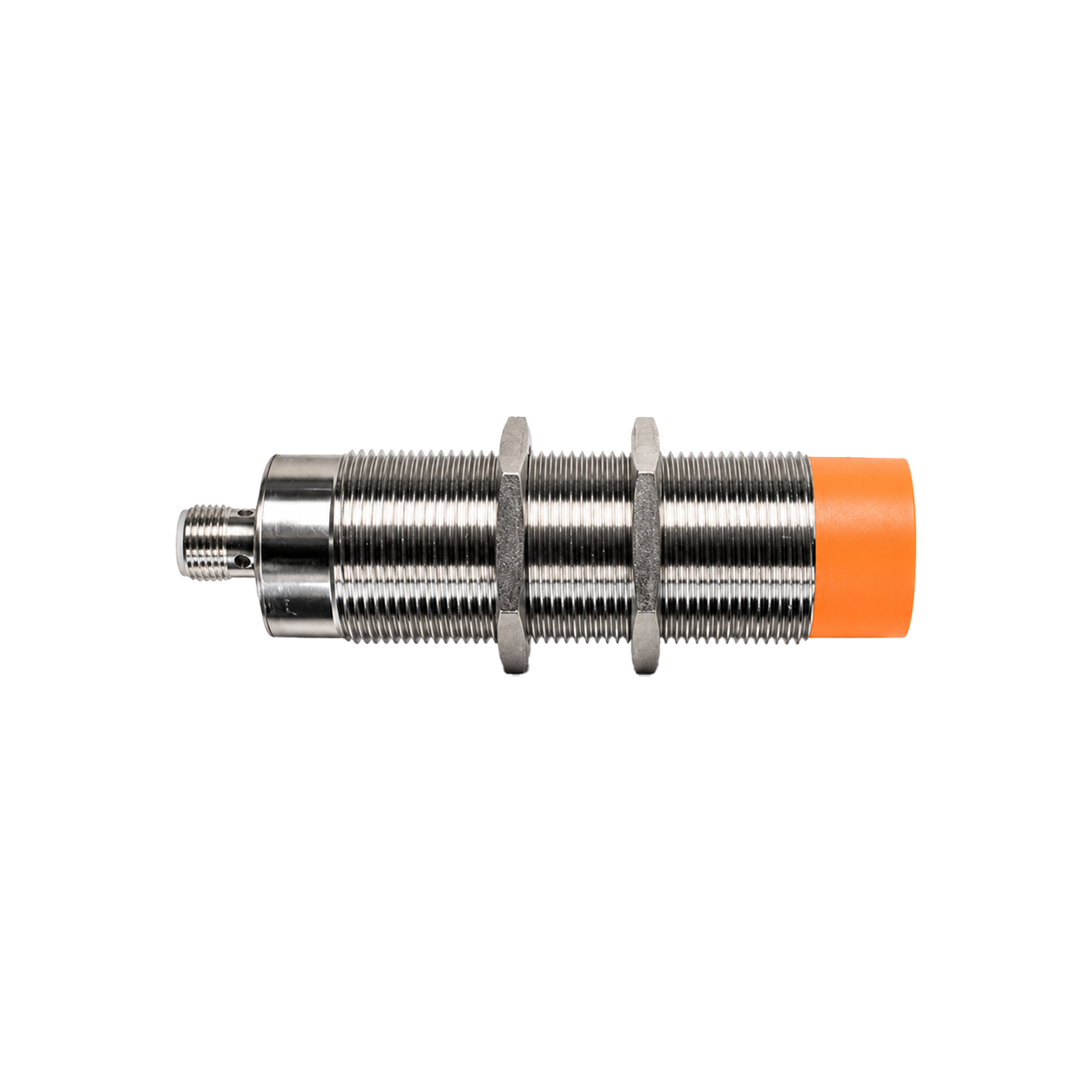
ISO 18000-63 / EPC Gen 2 V2
RS232, PoE
Integrated antenna
ISO 18000-63 / EPC Gen 2 V2
Internal
MPR Series
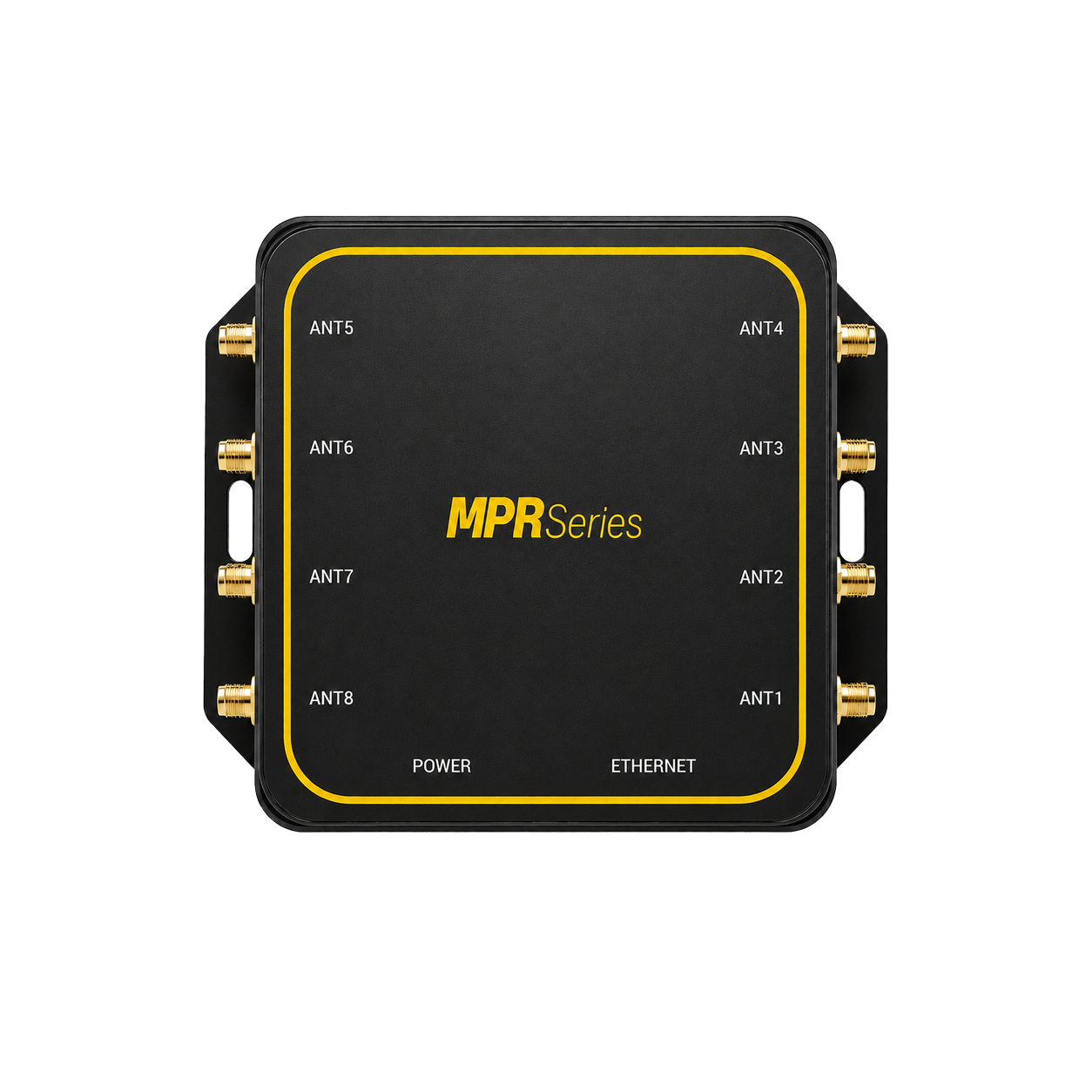
ISO 14443 A/B, 15693
RS232/485, PoE, USB, CANopen, Modbus
Up to 8 ext. antennas
ISO 14443A/B
ISO 18000-63 / EPC Gen 2 V2
External
MPR Series
ISO 14443A/B, 15693, 18000-3
RS232/485, PoE, USB, CANopen, Modbus
Integrated antenna
Internal
MPR Series
ISO 14443A/B
ISO 15693
ISO 18000-3
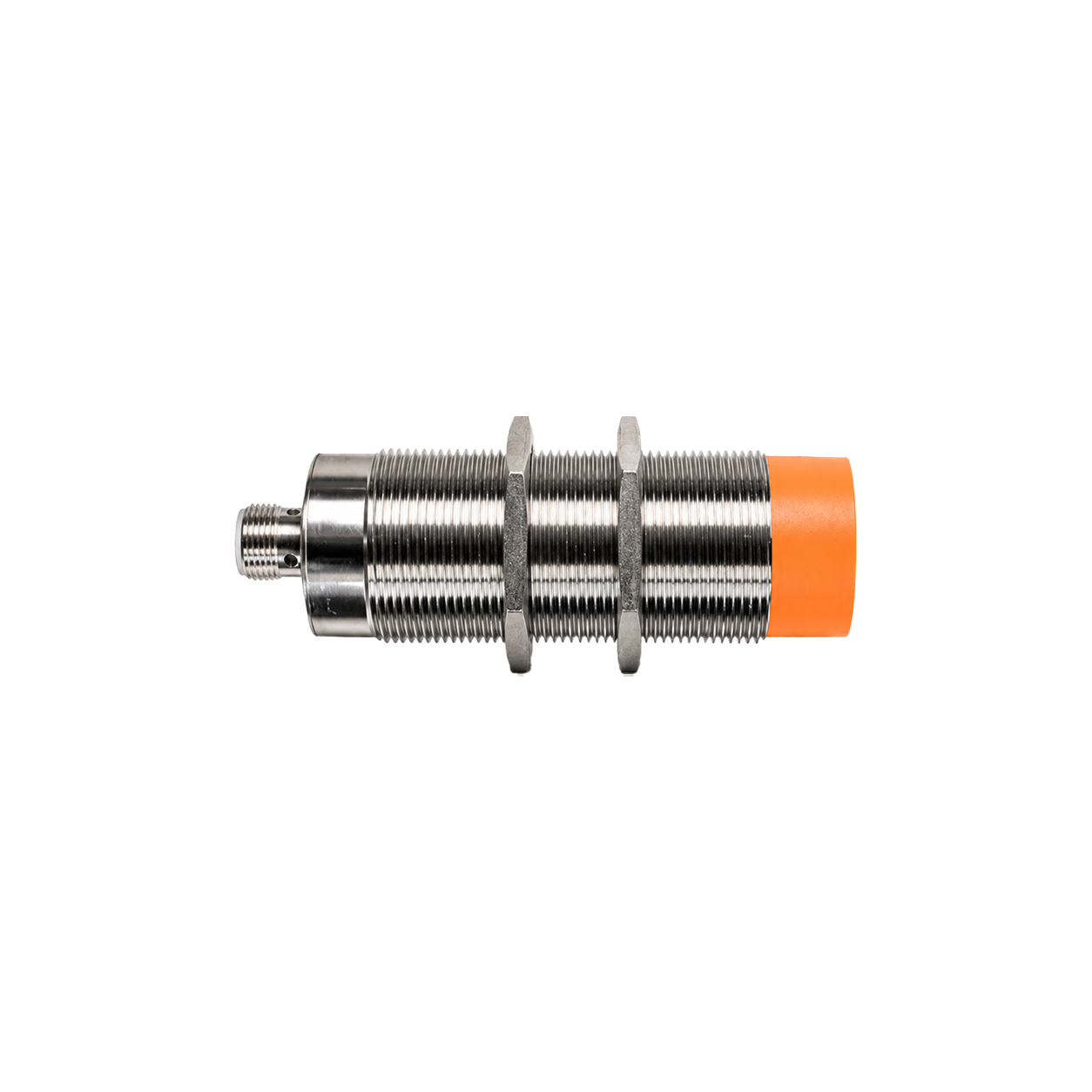
ISO 14443 A/B, 15693
RS232, PoE
Integrated antenna
ISO 14443A/B
ISO 15693
Internal
MPR Series
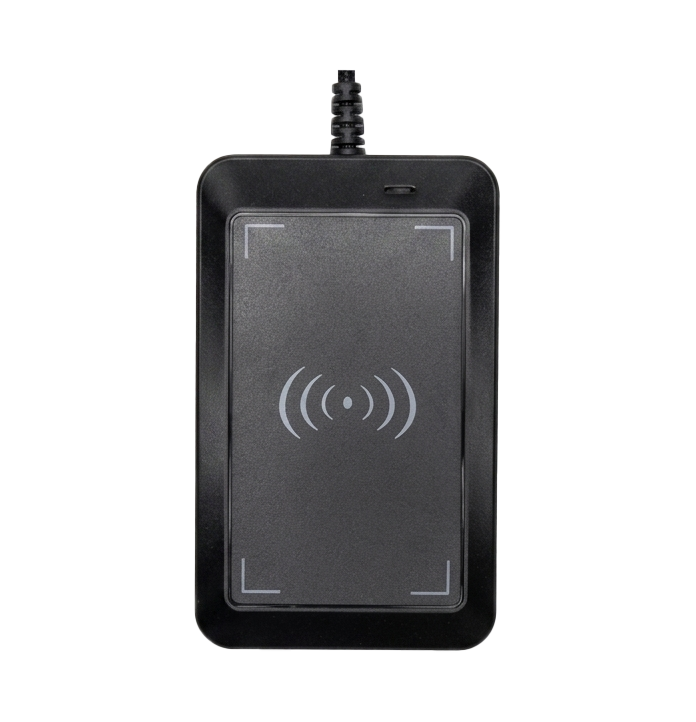
UHF, HF/NFC, LEGIC, LF
ISO 14443, ISO 15693, ISO 18000-3M3
USB 2.0 VCP/HID, PC/SC
ISO 14443A/B
ISO 15693
ISO 18000-3M3/EPC HF Gen2
LEGIC
Internal
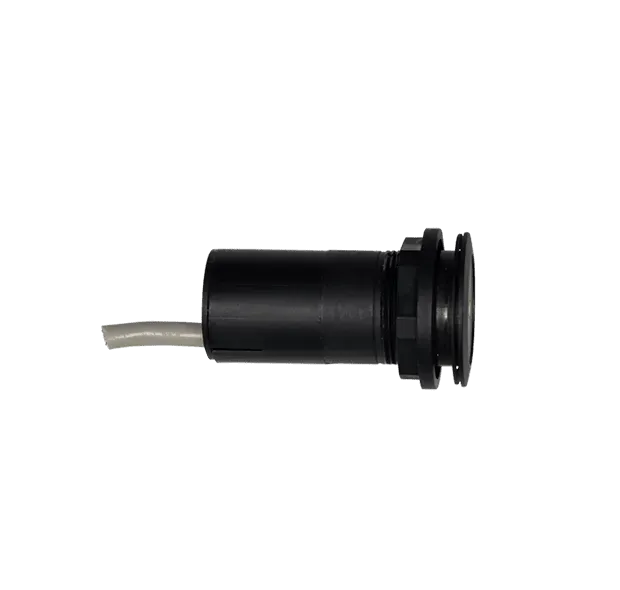
HF/NFC
ISO 14443A/B, ISO 15693, ISO 18000-3M3/EPC HF Gen2
USB, RS232, PC/SC, HID
Internal
ISO 18000-3M3/EPC HF Gen2
ISO 15693
ISO 14443A/B
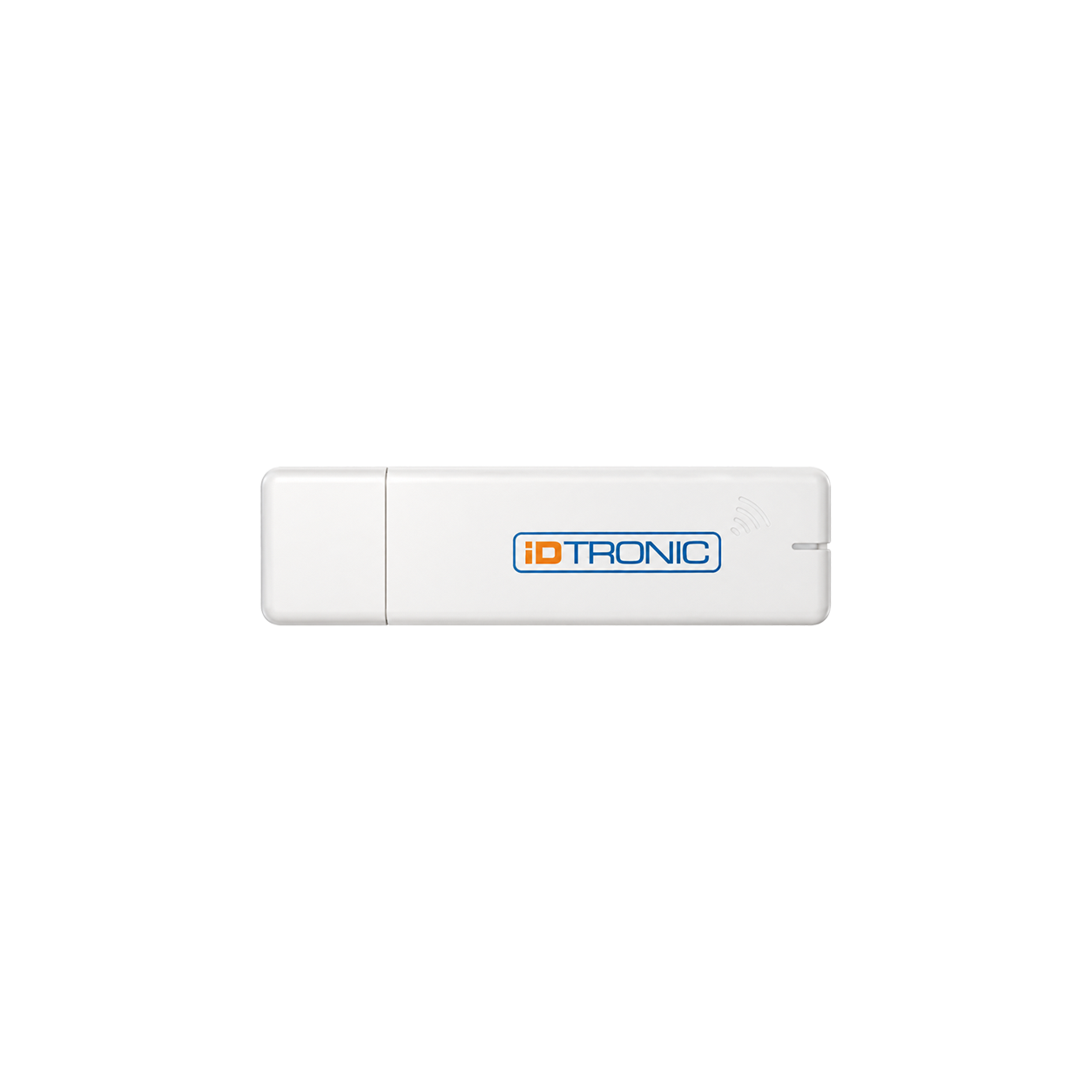
HF/NFC
ISO 14443 A/B, ISO 15693, ISO 18000-3M3
USB 2.0
ISO 14443A/B
ISO 15693
ISO 18000-3M3/EPC HF Gen2
Internal
Not sure which reader is right for you?
We provide personal guidance to help you choose the right RFID solution.



Contact Us
We will help you find the right RFID solution for your needs.
Your contact person:

Personal consultation for your RFID solution
Benjamin Pfeiffer - Sales RFID

Personalized consulting for your access control systems
Andreas Jäger - Sales Access Control

Personalized consulting for your IoT project
Luca Mack - IoT Sales

Personalized consulting for your studio project
Marcel Lenz - Sales WellFit