Back to overview
MPR M30 HF Reader Head
Up to 6 cm range
MPR M30 HF Reader Head
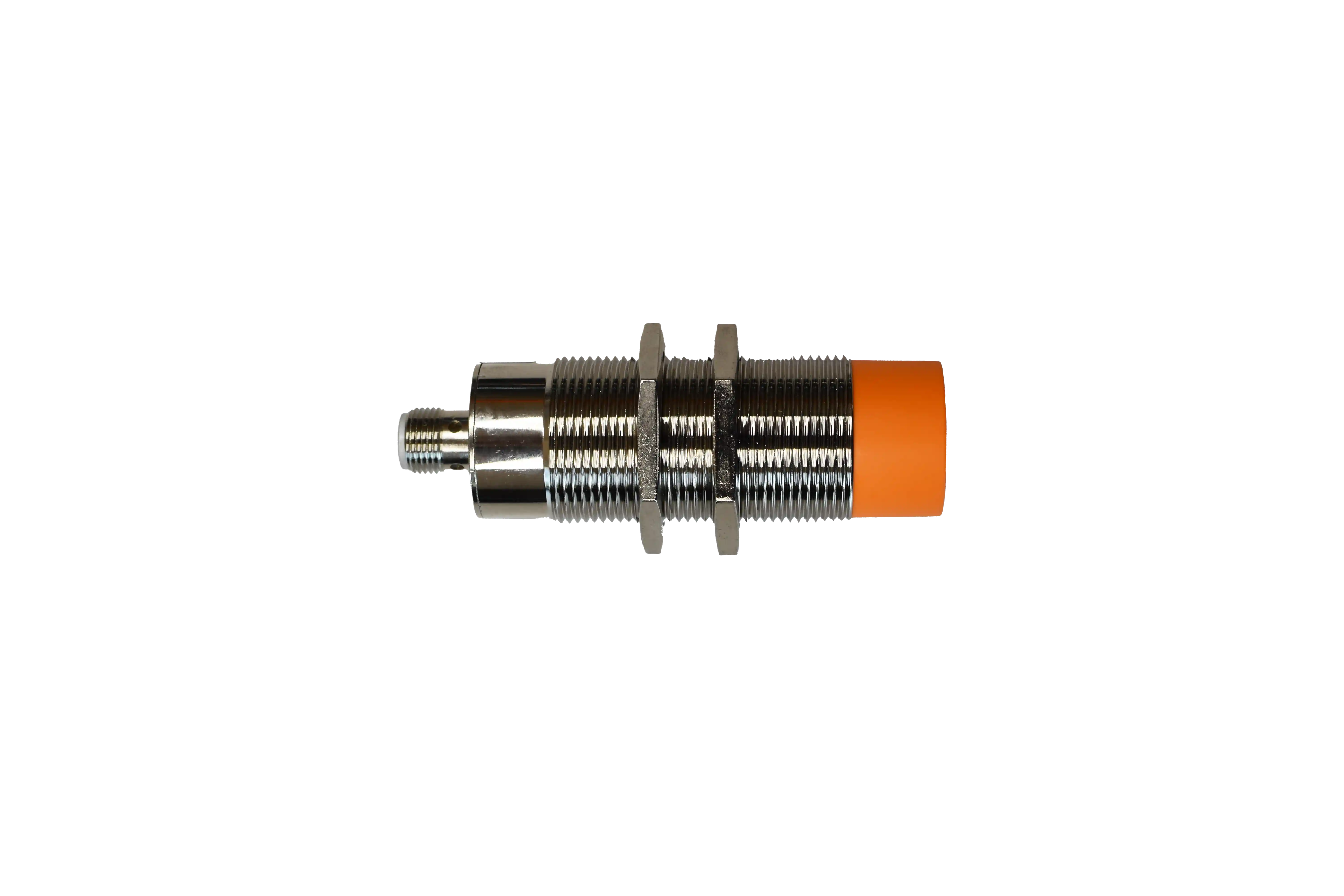
For industrial processes requiring a robust, space-saving, and easily integrated RFID solution, the HF M30 offers reliable identification directly at the application.
Highlights
The industrial HF reader for enhanced control
Reliable Tracking
Enables precise tracking of components, tools, and processes.
Production Processes
Used in production lines, conveyor systems, and for identifying tools and attachments.
M12 Connectors
Enable robust and secure connectivity, as well as quick integration into existing systems.
Read Range
up to 6 cm
Ensures stable and precise HF identification in close proximity, even under industrial conditions.
Direct System Connection
With RS232 and TCP/IP PoE, the reader can be easily integrated into various system environments.
Compact
M30 housing
The cylindrical design allows for easy and space-saving integration into machines and systems.

Produktinformationen
Product Specifications
The MPR Series HF M30 is a compact all-in-one HF RFID reader for industrial automation processes. Whether on production lines, conveyor systems, or for identifying tools and attachments – the reader was developed for applications where reliable HF identification is required directly in the process.
With an integrated circular antenna, an antenna gain of -8 dBi and a read range of up to 6 cm the HF M30 offers precise detection in the near field. RS232, TCP/IP PoE, standardized M12 connectors and the proven M30 SDK also ensure easy integration into existing systems and installations.
ELECTRICAL SPECIFICATIONS
Power Supply 10–24 V DC
Power Consumption 4 W
Operating Frequency HF 13.56 MHz
Antenna integrated
Read Range up to 6 cm
Interfaces RS232, TCP/IP PoE
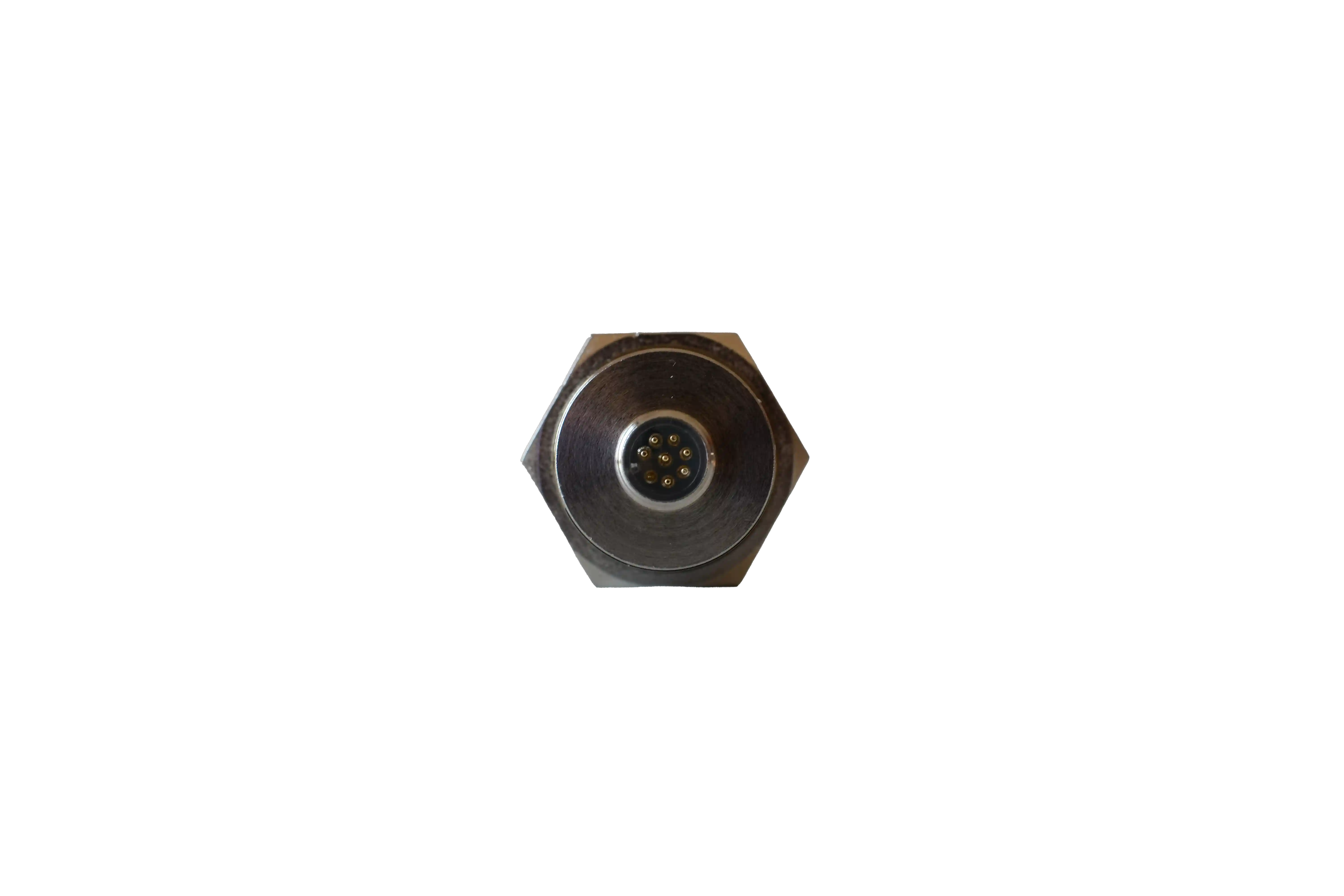
Connection M12 plug, A-coded (male)
Choosing the right RFID reader depends on the desired RFID technology, the required read range, and the specific area of application. For short distances and NFC applications, HF or NFC card readersare often suitable. For longer ranges and the simultaneous detection of multiple transponders, UHF RFID readers are generally used. Other important criteria include the design, the number and type of antenna connections, the detection speed, and the available interfaces. Depending on the system integration, Ethernet, RS232, RS485, USB, CAN-Bus, CANopen, SAE J1939 or Modbus may be required. The operating environment is also crucial. For industry, logistics, or outdoor areas, robust devices with an appropriate protection rating and a durable housing should be selected. In addition, the RFID reader, antenna, and RFID transponder must be matched to one another to ensure reliable identification.
We are happy to help you choose the right RFID reader for your application. Simply contact us and let us know your requirements. Our RFID experts will advise you on the selection of the appropriate technology, range, interfaces, and device design.
Our RFID readers can be integrated flexibly and easily into existing systems, applications, and RFID projects. Depending on the model, various wired and wireless interfaces are available:
USB: Fast plug-and-play connection to PCs, terminals, or industrial computers
Ethernet: Reliable network integration into IT systems and industrial applications
RS232 and RS485: Direct communication with machine controllers, PLC systems, and automation solutions
CAN bus: Integration into vehicles, machines, and industrial control systems
Modbus: Standardized communication with PLC systems and industrial automation solutions via Modbus RTU or Modbus TCP
CANopen: Seamless integration of the RFID reader into CAN-based machine and automation networks
SAE J1939: Reliable communication with commercial vehicles, agricultural machinery and mobile machines via CAN bus
In addition, many RFID readers support standardized protocols, software development kits, and programming interfaces. This allows captured RFID data to be transmitted directly to software, databases, machine controllers, or cloud platforms for processing.
Our wide range of RFID readers can be used in a variety of industries for contactless identification, automated data collection, and process control. Depending on the frequency, read range, design, and interface, RFID readers are suitable for the following application areas, among others:
Industry and production: Identification of workpieces, tools, machines, and load carriers
Logistics and intralogistics: Goods tracking, inventory control, incoming goods, and shipping
Parking and vehicle identification: Automatic vehicle recognition, access control, and barrier control
Laundries and textile management: Assignment, tracking, and management of textiles and laundry stocks
Waste management: Identification of waste containers as well as documentation of emptying and disposal processes
Healthcare and laboratory: Tracking of samples, medical devices, instruments, and consumables
Public sector: Access control, asset management, document management, and identification of equipment
By selecting the appropriate RFID readers and transponders, existing processes can be efficiently digitized, automated, and transparently documented.
RFID stands for Radio Frequency Identification and refers to the contactless exchange of data between an RFID transponder and an RFID reader/writer. The RFID transponder can be integrated into a card, a key fob, a label, or a rugged industrial tag, for example.To transmit data, the RFID reader generates an electromagnetic field via an integrated or external RFID antenna. This field activates passive RFID transponders and provides them with the necessary energy. The RFID reader then sends a read command to the transponder, which transmits the data stored on its chip back to the reader.
The RFID reader processes the received information and forwards it to a controller, software, or database via interfaces such as Ethernet, RS232, RS485, USB, CAN-Bus, CANopen, SAE J1939 or Modbus. Since communication takes place via electromagnetic fields, no direct line of sight is required between the RFID reader and the RFID transponder. The transponders can also be detected through many non-conductive materials such as plastic, paper, cardboard, wood, or textiles.
An RFID reader, also known as an RFID scanner or RFID read/write device , is a device used for contactless communication with RFID transponders. Using an integrated or external antenna, the reader generates an electromagnetic field to transmit data over short or long distances.
Passive RFID transponders do not have their own power supply. They are activated and powered by the electromagnetic field of the RFID reader. The reader can then read the information stored on the transponder or, depending on the RFID chip used, write new data to it.
The operating principle is similar to contactless payment: a card is held up to a reader, and the stored data is transmitted wirelessly.
Contact Us
We will help you find the right RFID solution for your requirements.
Your contact person:

Personal consultation for your RFID project
Benjamin Pfeiffer - Sales RFID

Persönliche Beratung für Ihr RFID-Projekt
Andreas Jäger - Sales Director

Persönliche Beratung für Ihr IoT-Projekt
Luca Mack - Sales IoT